
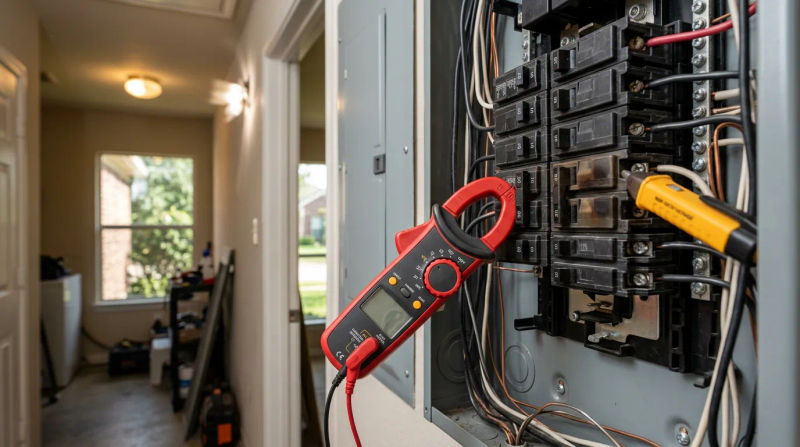
You’re relaxing at home on a pleasant October evening in Humble. The air conditioner, which has been running almost non-stop for months, is finally getting a break. In the newfound quiet, you notice something you hadn't before: when the refrigerator kicks on, the kitchen lights dim for a second. Later, the living room lights do a quick flicker when you start the microwave. It’s easy to dismiss these little quirks, but after more than 12 years in the field, I can tell you that these subtle signs are often your home's way of telling you something is wrong with its electrical system. Paying attention now can prevent a much bigger headache later.
Now that cooling season is winding down, many homeowners start noticing these electrical hiccups that were previously masked by the constant hum and high demand of their A/C units. These flickering lights aren't just an annoyance; they can be an early warning sign of an overloaded circuit, a loose connection, or a more serious underlying issue.
Common Signs and Symptoms
Your home's electrical system is complex, but it usually gives clear signals when it's under stress. Our trained crews are methodical in diagnosing these issues, starting with the symptoms you can see, hear, and feel. Here are some of the most common signs that you need to investigate further.
- Consistent Flickering or Dimming: This is the classic sign. If your lights flicker when a large appliance like a vacuum, hairdryer, or A/C unit turns on, it often means they are sharing a circuit that can't handle the sudden power draw. While a single, isolated flicker might be normal, persistent or rhythmic flickering is not.
- A Breaker That Keeps Tripping: A circuit breaker is a vital safety device designed to shut off power when a circuit is overloaded or has a short. If a breaker keeps tripping Humble homeowners should see this as a red flag. It's doing its job, but it means there's a persistent problem that needs to be identified and fixed, not just reset over and over.
- Buzzing or Sizzling Sounds: This is one of the most urgent warning signs. Your outlets, switches, and breaker panel should operate silently. A buzzing or crackling sound often indicates a loose wire or a faulty connection where electricity is arcing - essentially jumping across a tiny gap. This arcing creates intense heat and is a significant fire hazard.
- Warm or Discolored Outlets: Place your hand near an outlet or switch plate (without touching any metal parts). If it feels warm to the touch, there's likely a wiring problem causing it to overheat. You might also see brown or black scorch marks around the plug slots. Unplug everything from that outlet immediately.
- A Burning Smell: If you detect a sharp, acrid smell of burning plastic or ozone, especially near an outlet or your electrical panel, treat it as an emergency. This smell can indicate that wire insulation is melting or that a component is severely overheating. Do not hesitate to call for professional help.
- Mild Shocks or Tingles: You should never feel even a small shock or tingle when touching an appliance, switch, or outlet. This points to a grounding fault, where electricity is not following its proper path and could be traveling through you instead.
What Causes This Problem
Understanding the root cause is key to a reliable repair. Through our standardized diagnostic process, we can pinpoint exactly what’s behind these symptoms. Most issues fall into a few common categories.
First, there are overloaded circuits. Many homes in the Humble area, particularly those built in the 1980s, were constructed before our modern reliance on countless electronic devices. These Neo-eclectic homes, with their large footprints and separated rooms, were wired for a different time. A single circuit that once powered a lamp and a TV might now be supporting a computer, multiple chargers, a smart speaker, and a gaming console, leading to frequent overloads.
Second, loose or degraded wiring is a major culprit. Over decades, the constant heating and cooling of electrical wires can cause connections at outlets, switches, and in the panel to loosen. This is especially true for homes with older wiring systems. A loose connection creates resistance, which generates heat and can lead to flickering, buzzing, and eventually, a fire risk. This is one of the primary buzzing outlet causes we encounter.
Third, the components themselves can fail. Circuit breakers, outlets, and switches are mechanical parts that can wear out. A breaker might become weak and trip too easily, or worse, it might fail to trip during an actual overload, creating a dangerous situation. Outlets lose their ability to grip plugs tightly, leading to poor connections.
Finally, a major appliance could be at fault. A failing motor in a refrigerator or a problem with your HVAC system can draw an excessive amount of current, causing lights on the same circuit to dim or flicker. Isolating whether the problem is the appliance or the circuit is a key part of any professional Humble electrical repair.
When to Call a Professional
While some home maintenance is suited for a handy DIY-er, electrical work generally is not. The risks of fire, electrocution, and property damage are simply too high. A qualified professional has the diagnostic tools, training, and experience to perform the work safely and correctly.
You should call for professional help if you experience any of the following:
- A breaker that trips repeatedly or won't stay reset. This indicates a persistent fault that needs to be traced.
- Any buzzing, sizzling, or burning smells coming from outlets, switches, or your electrical panel. This is an urgent safety issue.
- Outlets or switch plates that are warm to the touch or show signs of discoloration.
- You receive even a minor shock from any electrical device or component.
- The flickering lights are widespread throughout your home, not just isolated to one room, which could indicate a problem with your main service line or panel.
Our technicians follow a rigorous, organized workflow to ensure every connection is checked and every repair is made according to code. Attempting to diagnose complex issues like buzzing outlets or tripping breakers without the proper knowledge can easily make the problem worse or create a new hazard.
Conclusion
Flickering lights, buzzing outlets, and tripping breakers are more than just minor inconveniences - they are important communications from your home’s electrical system. While it's tempting to ignore them, especially when they seem small, doing so can allow a minor issue to escalate into a serious safety hazard. By understanding these common signs and their underlying causes, you can better protect your home and family.
Don't wait for a flicker to turn into a failure. Being proactive is the smartest and safest approach to maintaining your home's electrical integrity.
If you notice any of these signs, contact a local general contractor for an inspection.